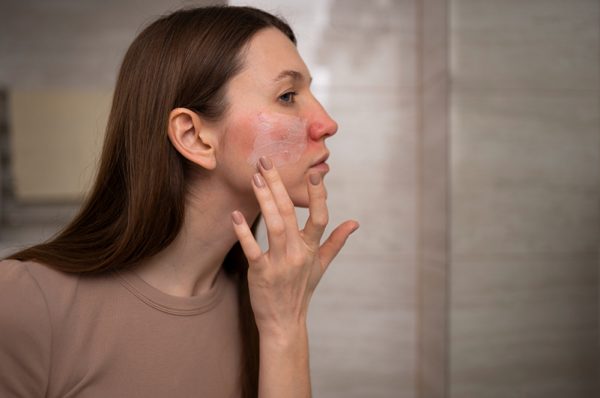
Within the cosmetic industry, dermaplaning has been all the hype. However, what is dermaplaning? What are the benefits that make it worth considering? Are there any risks or drawbacks to the procedure? And if opting for dermaplaning, are there any helpful tips that could assist you in navigating the process more smoothly?
If you plan on getting dermaplaning but want to be fully prepared beforehand, read our article to learn all you need to know about this trending treatment.
What Is Dermaplaning?
Dermaplaning is a minimally invasive cosmetic treatment that aims to refine your skin’s texture and appearance by shaving its uppermost layers. In this procedure, your esthetician will scrape off the peach fuzz and dead skin cells with a scalpel.
As a result, undamaged, clearer, and newer skin will surface from underneath. While dermaplaning may sound similar to shaving, the two procedures are not alike. This is primarily because different people perform dermaplaning and shaving, using different tools, and, most importantly, removing a varying amount of skin.
Benefits Of Dermaplaning
Although, getting your skin treated with dermaplaning has plenty of benefits. Still, the extent to which dermaplaning will be effective for you will be impacted by your medical history, skin tone, type, and the professional performing the procedure.
Skin Exfoliation
As dermaplaning is essentially scrapping off the exterior most dead layer of skin cells lining your face, it exfoliates your skin, making it look much brighter and your skin tone clearer.
Now that no external barrier exists on your skin, makeup or other skin care products will blend in better and conveniently, proving more effective.
Removes Peach Fuzz
Peach fuzz refers to the short, fine, and soft facial hair growth. Though these facial hairs serve a protective purpose for the skin, they become a nuisance when they grow darker and thicker.
Therefore, through dermaplaning, you get rid of your peach fuzz and instead, have skin that not only looks more rejuvenating but also feels that way because of its flawless texture.
Smooth And Soft Skin
Dead skin cells, peach fuzz, and trapped bacteria can significantly hinder how your skin appears. However, the appearance of it can be treated and rectified through dermaplaning, giving your skin a noticeable glow and an instant softness.
Reduction In Acne Scars And Fine Lines
All the benefits mentioned above are among the immediate dermaplaning results. However, if you opt for dermaplaning on a regular basis, over time, it will lead to a reduction in acne scars and fine lines.
Due to the consistent removal of dead skin cells, cell turnover will be promoted, and your scarred skin will be replaced with fresh, regenerated skin.
Risks Of Dermaplaning
Dermaplaning is a considerably safe, low-risk cosmetic procedure with no severe risks. However, depending on your skin’s condition, the treatment can have certain side effects which may include:
- Temporary skin inflammation after getting the procedure
- Occurrence of whiteheads on the skin a few days after the treatment
- Infection
- Scarring from dermaplaning (extremely rare)
- Skin discoloration, where your skin may turn darker or lighter compared to the surrounding area
The risks of dermaplaning that we have stated are all temporary. As soon as they turn up, they diminish with the same frequency.
Nonetheless, if you see any of the conditions remaining and prolonging, it is recommended that you consult a skin specialist and not let the situation be as it is.
Helpful Tips For Dermaplaning
- Before getting the treatment, make sure to deep cleanse your face. Remove all the oil, makeup, and dirt from your skin to minimize the chances of irritation and ensure your procedure goes steadily.
- Dermaplaning can leave your skin feeling sensitive and dry. To counter this, use a nourishing face oil or a hydrating serum, but do not use anything with abrasive chemicals because your skin is vulnerable right now, and anything harsh can damage it.
- After getting dermaplaning, try not to exhaust your skin with many skincare products for the following few days or a week. Not wearing makeup for a day after the treatment is also advisable.
- Try to avoid or limit your exposure to the sun, and whenever going outside, use SPF so that the harmful sun rays do not harm your skin.
Conclusion
Now that you know everything about dermaplaning, its benefits and risks, and how to handle your skin after the procedure, you are all set to schedule an appointment with your esthetician and enjoy your skin looking radiant and smoother!